About US
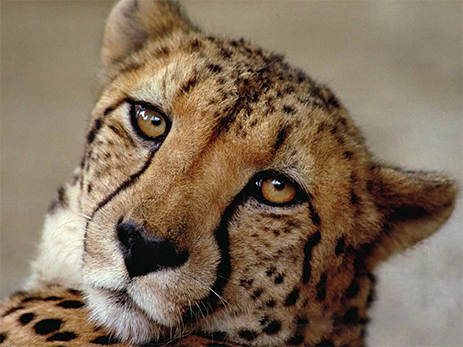
We are here to help the cheetah survive. We will set up fundraisers to give to researchers and organizations to save the Cheetahs. We need YOU!!
.jpg)
.jpg)
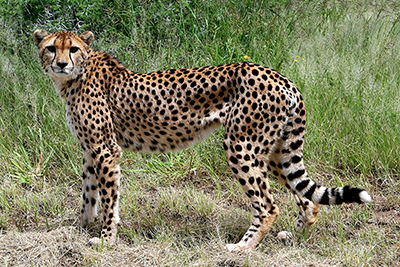
They need our help
Despite their speed and hunting prowess, cheetahs are largely outranked by other large predators in most of their range. Because they have evolved for short bursts of extreme speed at the expense of their power, they cannot defend themselves against most of Africa's other predator species. They usually avoid fighting and will surrender a kill immediately to even a single hyena, rather than risk injury. Because cheetahs rely on their speed to obtain their meals, any injury that slows them down could essentially be life threatening.
A cheetah has a 50% chance of losing its kill to other predators. Cheetahs avoid competition by hunting at different times of the day and by eating immediately after the kill. Due to the reduction in habitat in Africa, cheetahs in recent years have faced greater pressure from other native African predators as available range declines.
The cheetah's mortality is very high during the early weeks of its life; up to 90% of cheetah cubs are killed during this time bylions, leopards, hyenas,wild dogs, or even by eagles. Cheetah cubs often hide in thick brush for safety. Mother cheetahs will defend their young and are at times successful in driving predators away from their cubs. Coalitions of male cheetahs can also chase away other predators, depending on the coalition size and the size and number of the predator. Because of its speed, a healthy adult cheetah has few enemies.
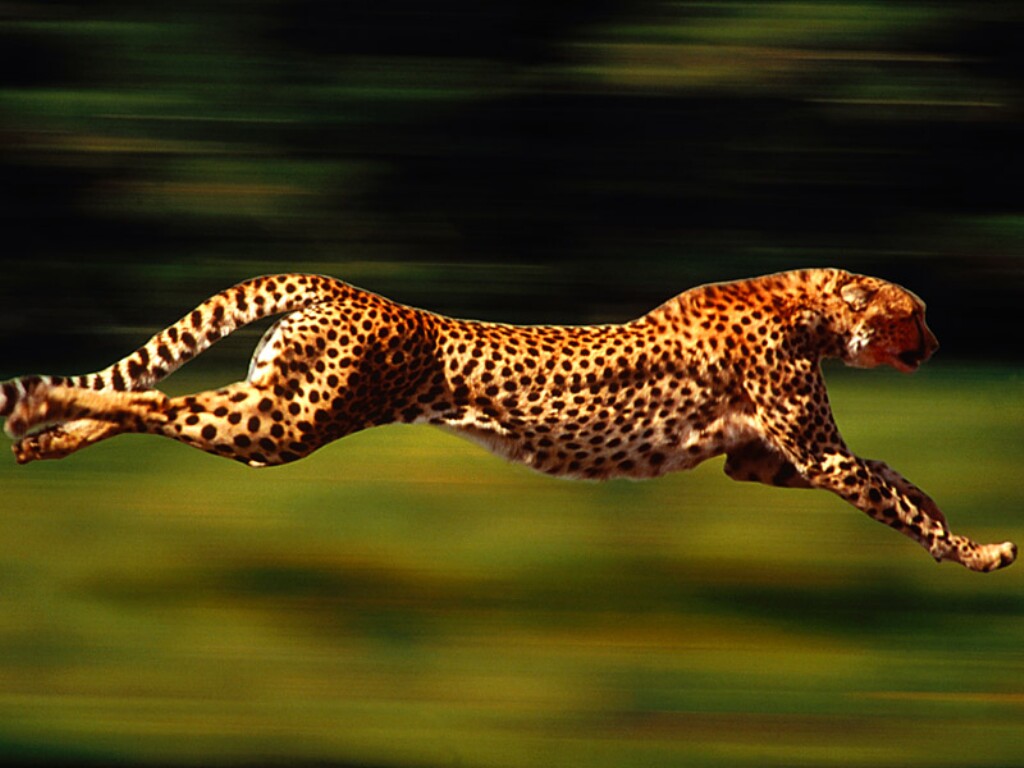
Run For The Heart
Keep the Cheetah running for years to come. Be their hreo and help save them.